8 hr
Uyuni Salt Flats Full-Day Jeep Adventure
- Expert local guide
- Small group
- Skip-the-line access
- Free cancellation
Uyuni Salt Flats Private Tour — Jeep Expeditions & Sunset Experiences
Endless white hexagons beneath Andean light, mirror reflections at dusk
Compare fares, pick the fit — all bookings are mobile-voucher and eligible for free cancellation where shown.
8 hr
4 hr
48 hr
Choosing the right uyuni salt flats private tour allows you to explore this vast lunar-like expanse with personalized flexibility. Whether you seek a focused photography session or an immersive multi-day expedition, these specialized private experiences cater to diverse travel styles.
|
Top pick Full-Day Private Tour Day-long exploration |
Multi-Day Expedition Comprehensive circuit | |
|---|---|---|
| Duration | Approx. 9 hours | 3–4 days |
| Access areas | Salt flat and Incahuasi | Salt flat and national reserves |
| Group size | Exclusive private vehicle | Exclusive private vehicle |
| Conservation fee | 30 BOB per person | 30 BOB per person |
| Best for | First-time visitors | Comprehensive adventure seekers |
| See tickets & prices |
Verdict: Opt for the full-day private tour if you want a curated experience focused on the salt crust and iconic cactus islands.
Worth it for photographers and comfort seekers
A uyuni salt flats private tour costs roughly 40–60% more than group departures but delivers tangible returns: you control the itinerary pace, stop for perspective photos without waiting for fifteen others, and skip the midday crowd crush at Incahuasi Island. The Uyuni Salt Flats Full-Day Jeep Adventure and sunset packages let you linger at mirror-effect zones during golden hour—impossible on fixed group schedules. Vehicle comfort matters across the Salar de Uyuni's 10,582 square kilometers: private 4×4s mean adjustable climate control and no strangers jostling tripods. Multi-day expeditions from San Pedro de Atacama justify the premium if you value flexible wake times and direct routing through Eduardo Avaroa Reserve. Budget solo travelers joining the day tour with lunch still access the salt crust and flamingo lagoons; the private upgrade pays off when photography timing or motion sickness from shared vehicle stops become deal-breakers. The 30 BOB island fee applies universally.
Bottom line: Pay the premium if control over timing and solo vehicle comfort outweigh the extra cost for your group size.
They complement each other; most visitors who do both call the private expedition the more efficient option for deep exploration of the Salar de Uyuni landscape. Opting for a private Salar de Uyuni excursion provides logistical autonomy for those seeking specific photographic conditions.
|
Top pick Private Tour |
Shared Expedition | |
|---|---|---|
| Itinerary flexibility | Customizable schedule | Fixed route |
| Photography control | Unlimited stops | Limited stops |
| Vehicle exclusivity | Dedicated 4x4 | Shared vehicle |
| Social interaction | None (private) | Group environment |
| Cost per person | Higher premium | Lower budget |
| See tickets & prices |
Verdict: The uyuni salt flats private tour is better for photographers prioritizing specific light, while shared uyuni salt flats private tour tours offer social engagement at a lower cost.
Hand-picked experiences loved by thousands of travelers
4 days
Free Cancellation
Cross borders into Bolivia's otherworldly highlands, from colored lagoons to the endless Salar de Uyuni
1 day
Free Cancellation
Explore Bolivia's vast white desert, visit a train graveyard, and walk among giant cacti on a remote island
9 hours
Free Cancellation
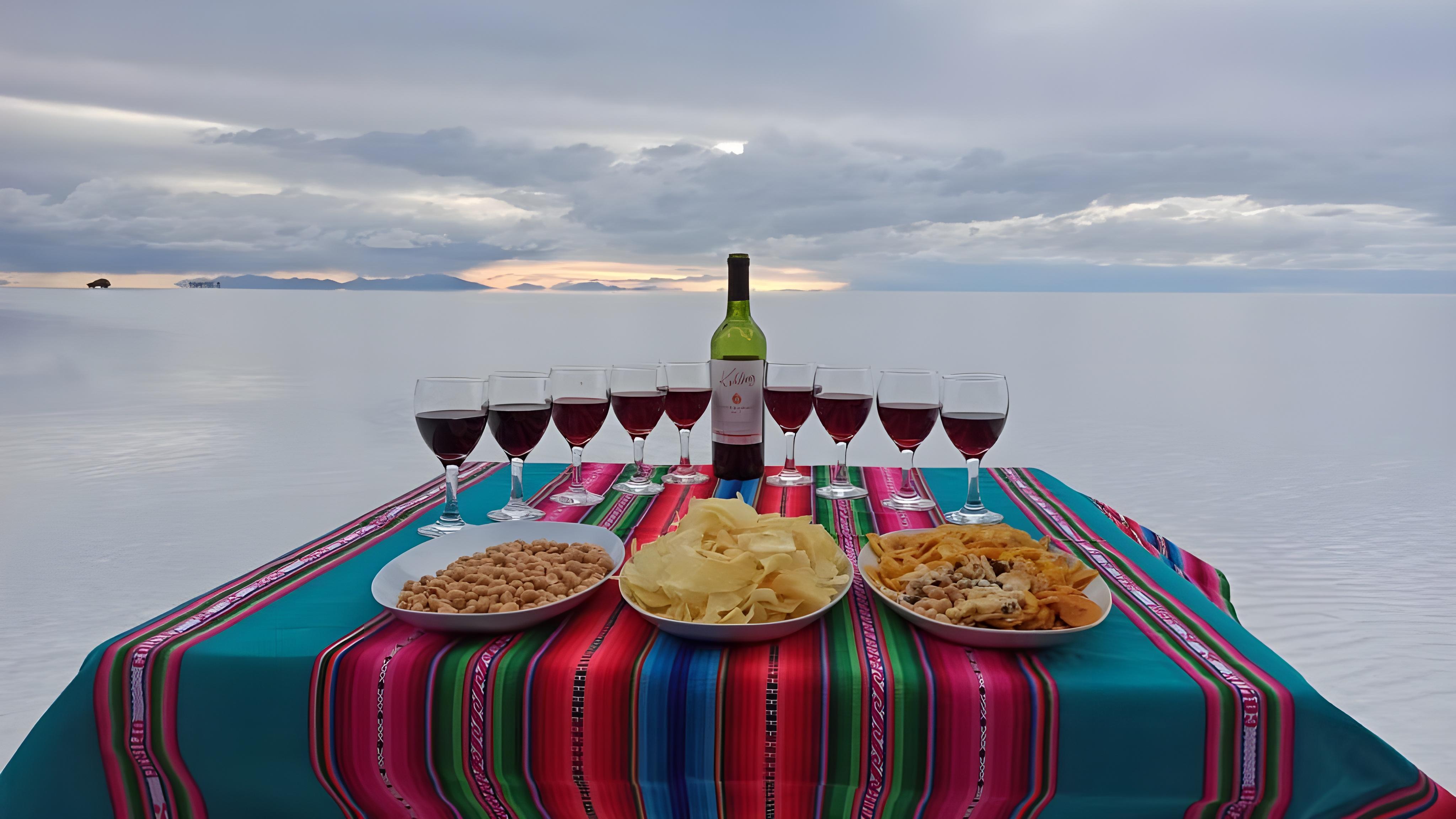
Journey across Bolivia's dazzling white desert with lunch, perspective photos, and a wine toast at sunset
4 hours
Free Cancellation
Witness celestial wonders and dawn's first light reflected across Bolivia's otherworldly salt desert
3 days
Free Cancellation
Journey across Bolivia's legendary salt desert to Chile, visiting geysers, colored lagoons, and flamingo habitats
1 day (approximately 9 hours)
Free Cancellation
Journey across Bolivia's iconic salt desert, explore cactus-covered islands, and toast the sunset
3 days
Free Cancellation
Journey across Bolivia's surreal salt desert, flamingo-filled lagoons, and geothermal wonders
10 hours
Free Cancellation
Explore Bolivia's legendary salt desert, watch sunset reflections, and gaze at the Milky Way on this private adventure
Explore abandoned steam locomotives on the outskirts of Uyuni
Visit local salt-craft markets and manufacturing centers
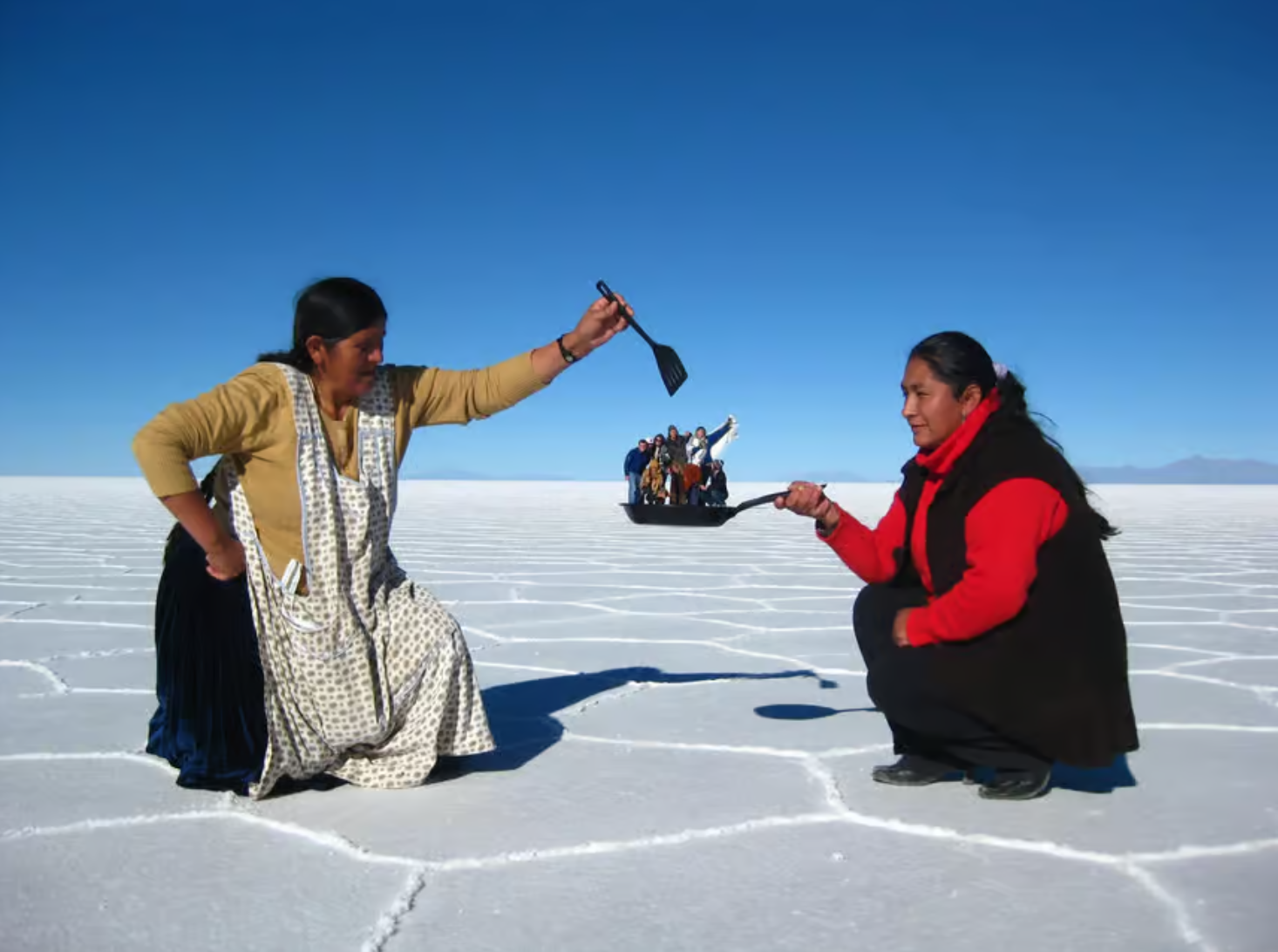
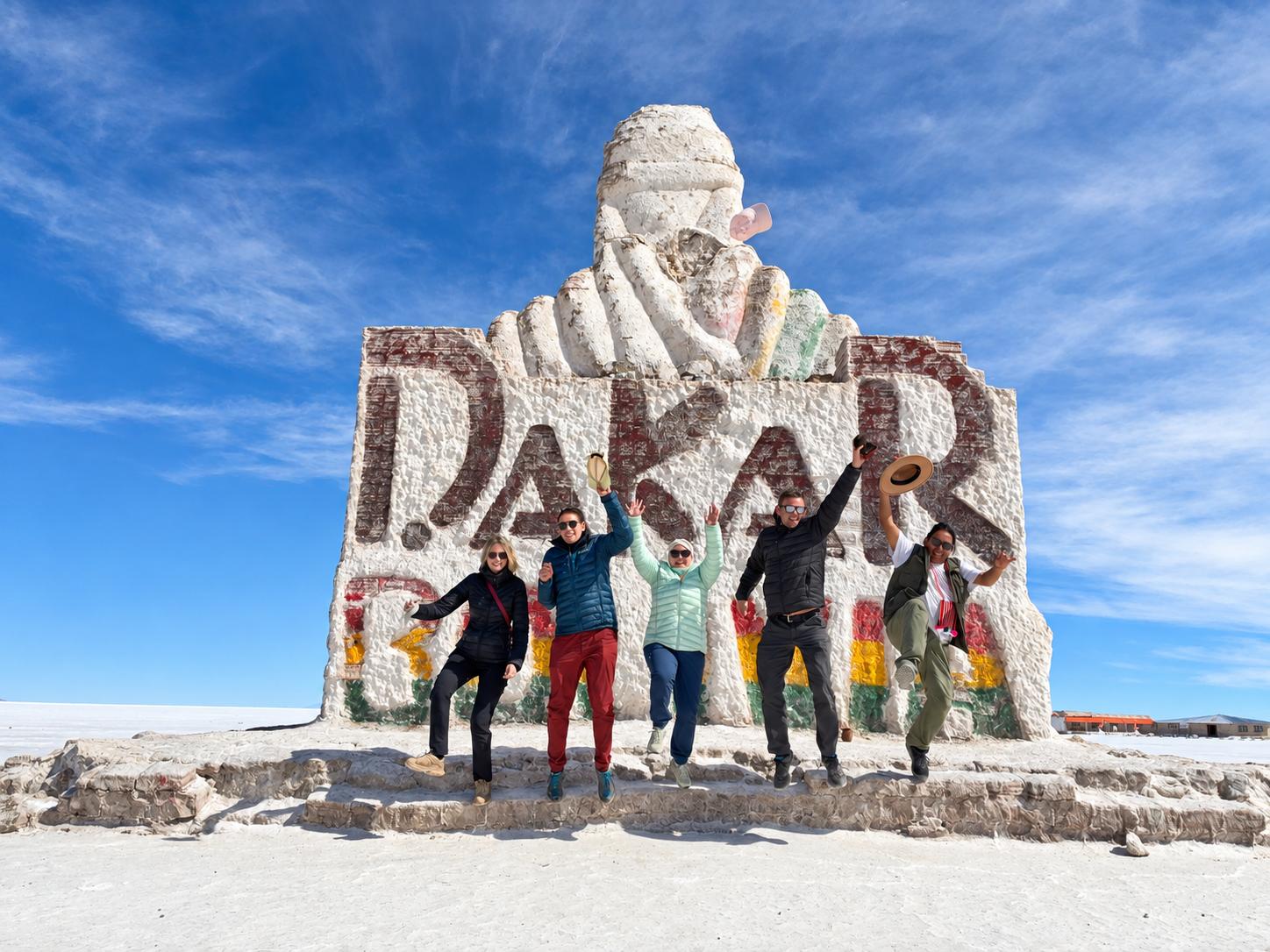
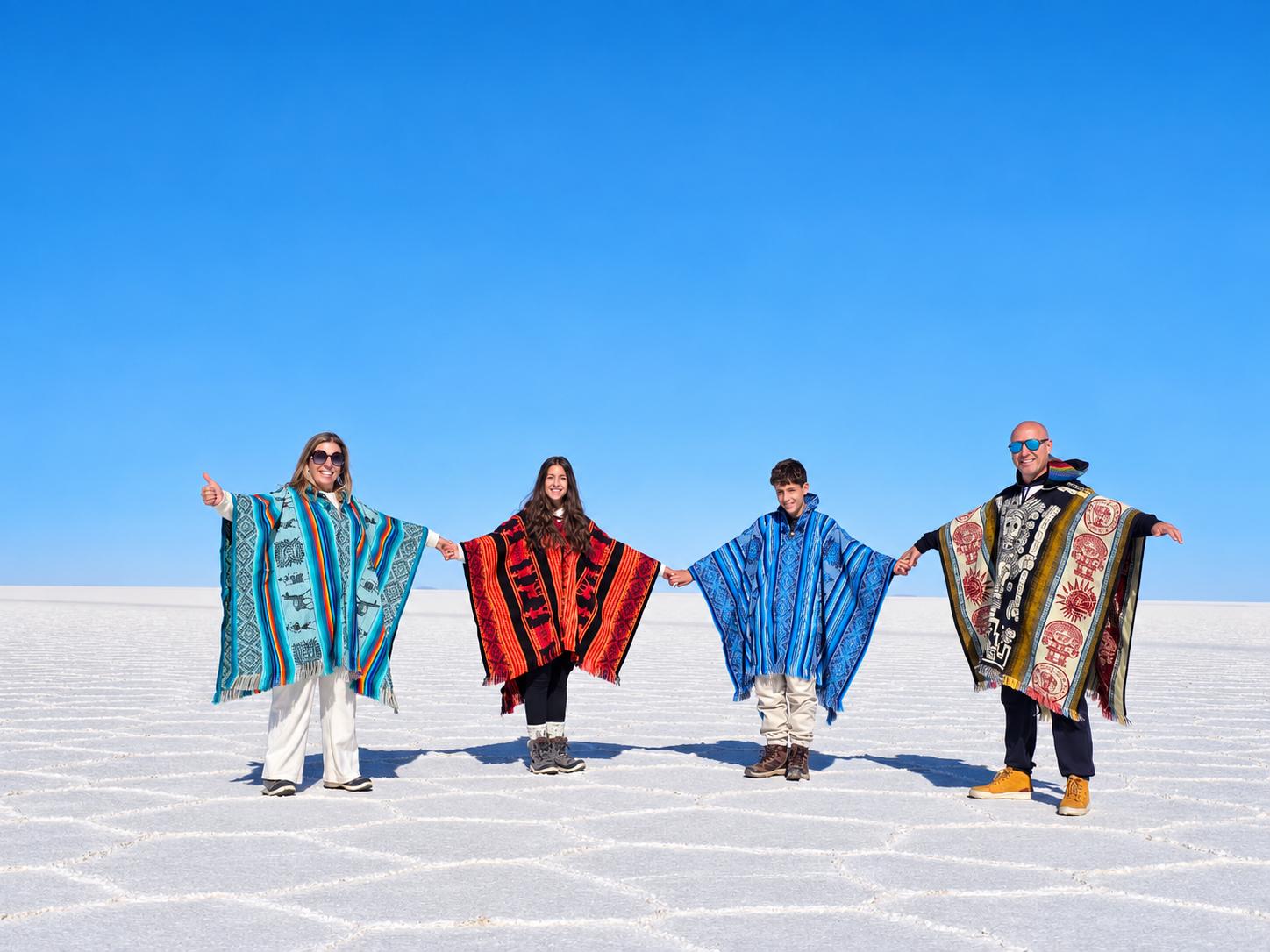
Experience the vast white desert and perspective photography
Hike the cactus-covered trail for panoramic views
This island features giant cacti that can grow up to 12 meters in height and offers 360-degree views of the salt desert.
This historical site holds dozens of abandoned, rusting steam locomotives from the early 20th century.
These natural salt-water springs bubble up through the crust, serving as a reminder of the lake that once covered the area.
This former hotel is constructed entirely from salt blocks and now serves as a museum and rest area for tours.
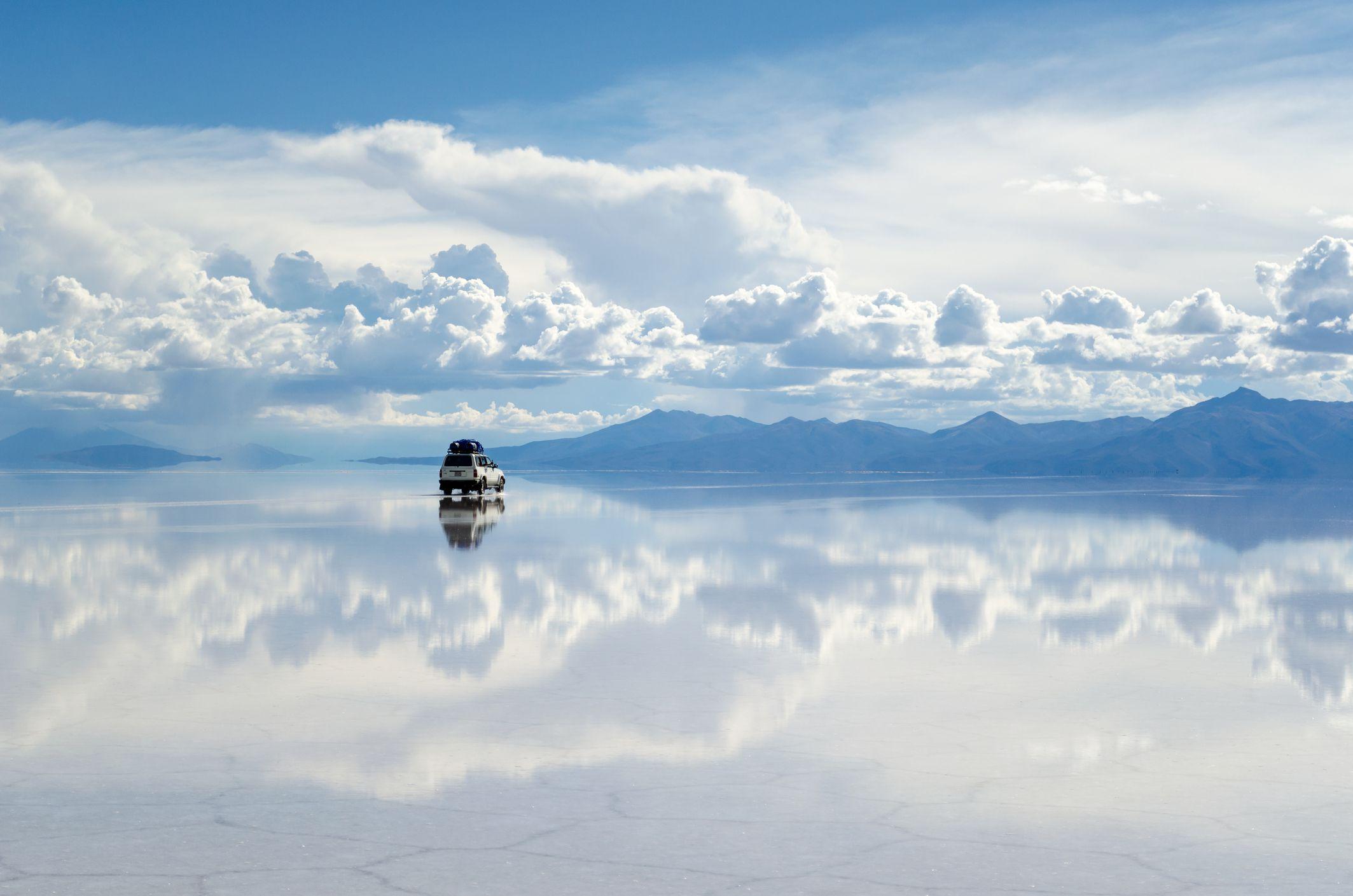
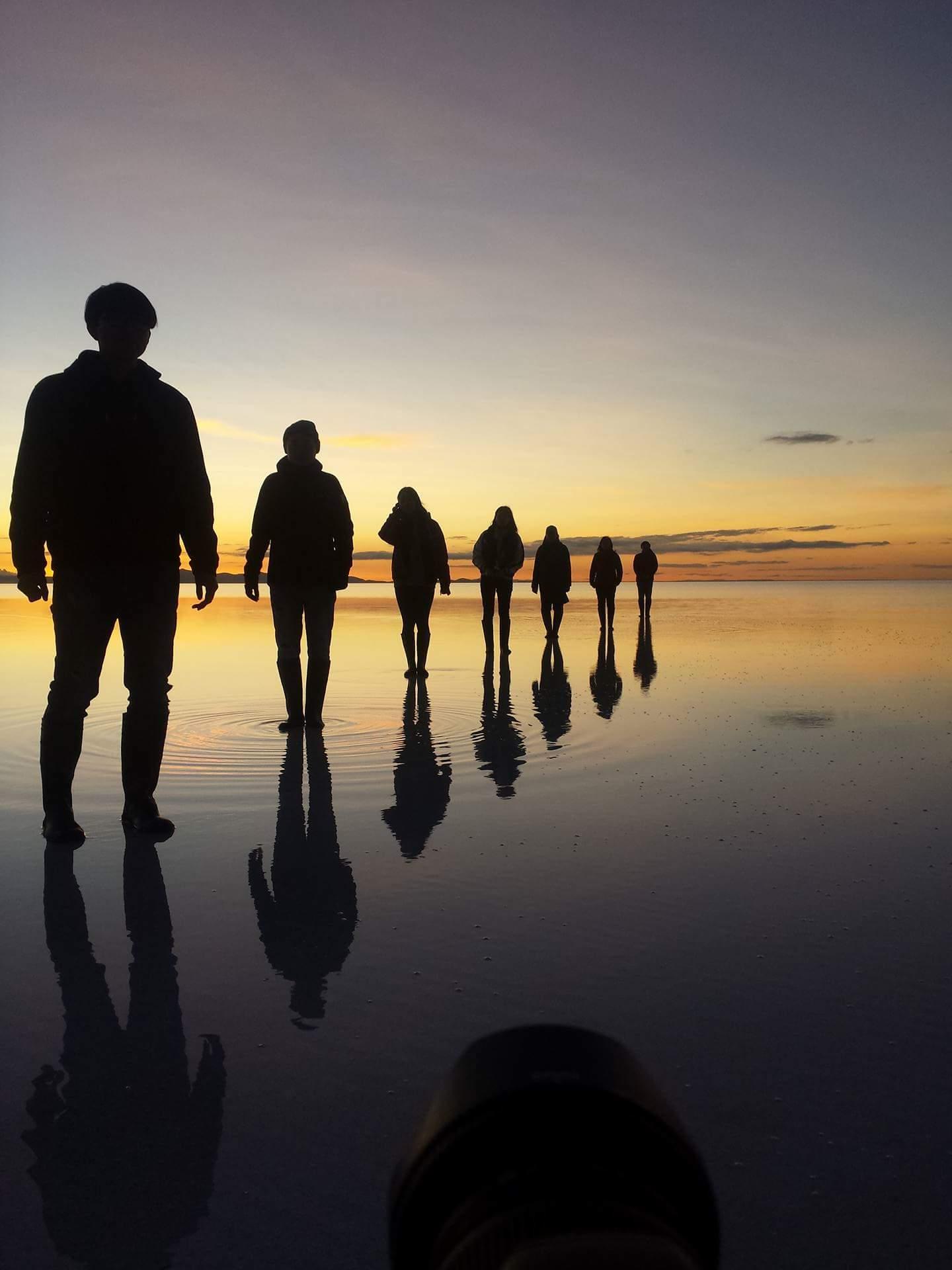
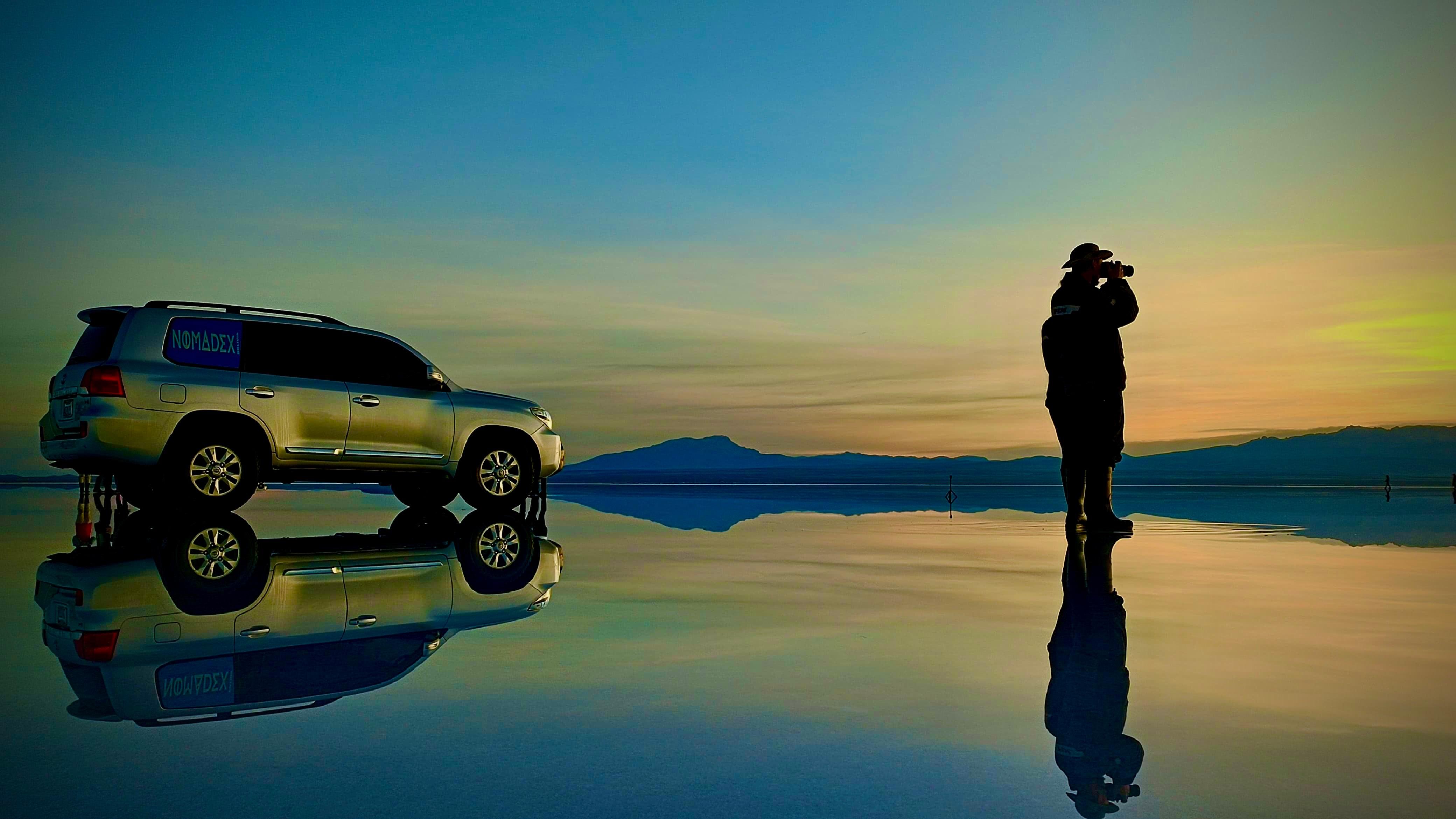
During the wet season, a thin layer of water transforms the 10,500 square kilometer basin into a perfect reflection of the sky.
You leave Uyuni before dawn, climbing into a Land Cruiser as the high desert air bites through layered fleece. The paved road ends within minutes, replaced by a dirt track that cuts west toward the white void.
Thirty minutes out, the horizon flattens completely, and the vehicle rolls onto the salt crust with a faint crunch beneath the tyres. Your driver accelerates, and the world reduces to three elements: blinding white below, cobalt sky above, and the serrated line of distant volcanoes stitching them together.
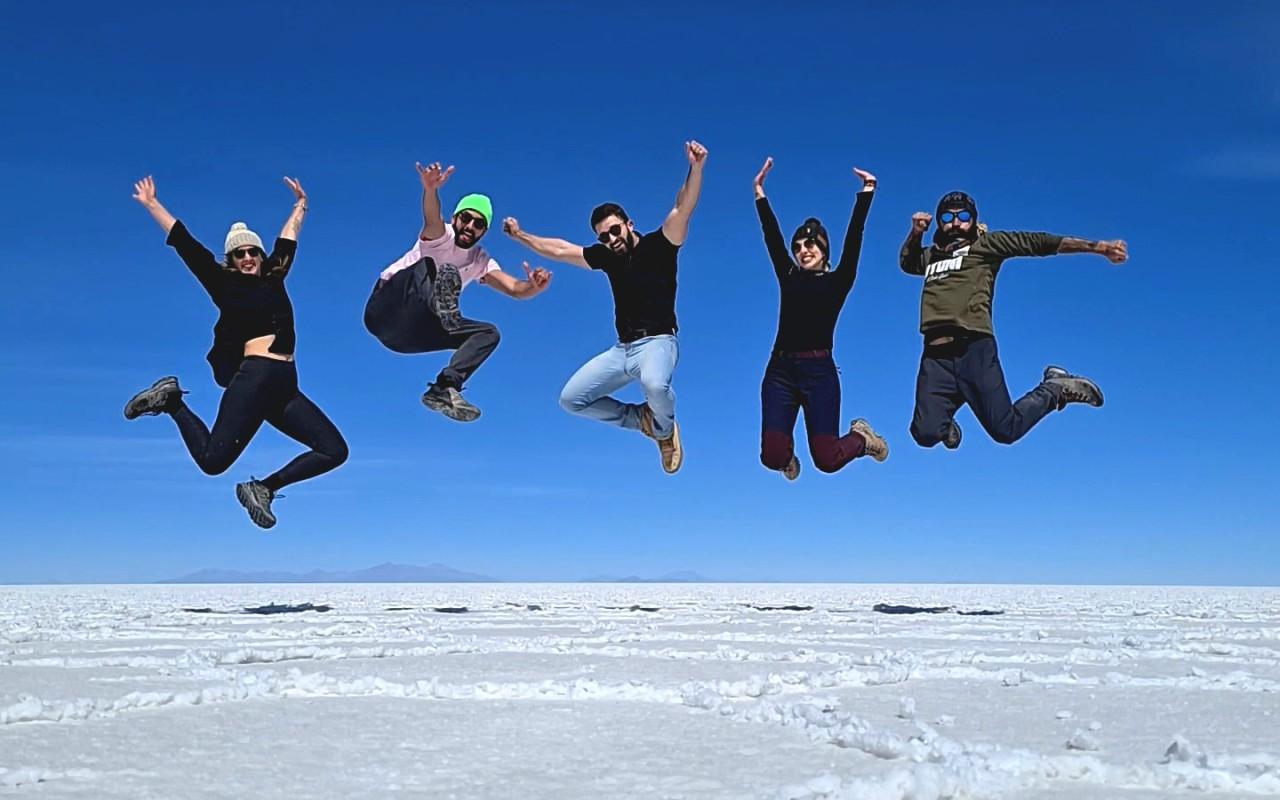
Mid-morning, you reach Incahuasi Island, where giant cacti rise from black volcanic rock in surreal vertical strokes. You pay the 30-boliviano fee at a small hut, then climb a stone path to the summit, pausing every fifty metres as your lungs adjust to the altitude. From the top, the salt flat extends in every direction without interruption, a geometry of hexagons that seems computer-generated in its regularity. Back on the flats, your driver stops for perspective photos, positioning the jeep a hundred metres away so you can hold it between two fingers or balance it on your palm.
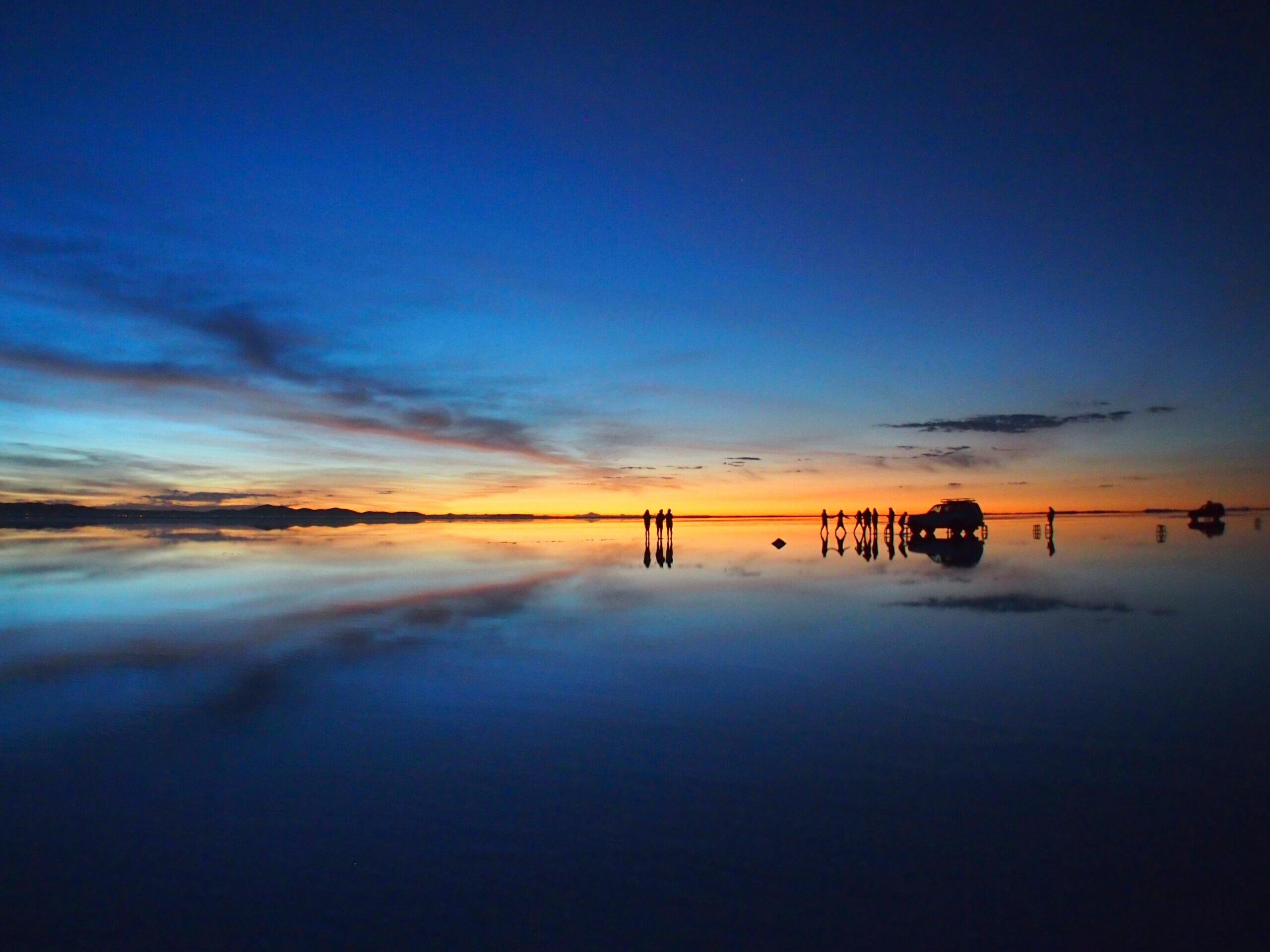
By late afternoon, the air cools rapidly. You pull on a down jacket and wait as the sun drops toward the Andes, flooding the crust with amber and rose. If rain has fallen recently, the surface reflects the sky in perfect symmetry, and you lose the ability to distinguish up from down. After sunset, you remain on the flats as stars emerge in astonishing density, the Milky Way arcing overhead like a luminous seam.
All the details about your upcoming adventure in one place
At 10,582 square kilometres, the Salar de Uyuni is the world's largest salt flat, a lithium-rich endorheic basin that formed when prehistoric Lake Minchin evaporated roughly 40,000 years ago.
The crust averages two to ten metres thick, concealing an estimated 10 billion tonnes of salt beneath a geometric surface of polygonal tiles that crack and reform with each rainy season. During the wet months between December and April, a thin film of water transforms the expanse into a flawless mirror, doubling the Andean sky and erasing the horizon line in a way that has made the site indispensable for satellite calibration.
Today, private tours across the salt flats anchor Bolivia's high-altitude tourism economy, drawing visitors to a landscape that oscillates between bone-dry geometry and liquid reflection depending on the week. The region sits at 3,656 metres above sea level, where oxygen is twenty percent thinner than at sea level and ultraviolet exposure exceeds safe thresholds within minutes. Most itineraries depart from the town of Uyuni, a former railway hub whose economy pivoted from tin export to tourism after commodity prices collapsed in the 1980s. The standard route crosses the main expanse to Incahuasi Island, a volcanic outcrop colonised by thousand-year-old cacti, where a 30-boliviano conservation fee funds trail maintenance and waste removal.
Jeep expeditions typically operate in fleets of Toyota Land Cruisers, modified for salt corrosion and altitude, carrying four to six passengers per vehicle. Sunset departures time arrival on the flats for the golden hour, when low-angle light saturates the hexagonal tiles and photographers exploit the mirrored surface for perspective illusions. Stargazing extensions remain on-site after dark, capitalising on the absence of light pollution and the high-altitude clarity that renders the Milky Way visible to the naked eye. Multi-day expeditions continue south to the Eduardo Avaroa Reserve, passing through a volcanic corridor of coloured lagoons, geysers, and flamingo colonies before terminating at the Chilean border near San Pedro de Atacama.
The flats remain accessible year-round, though the rainy season limits vehicle mobility and transforms logistics. Operators adjust routes daily based on water depth, favouring the mirror effect for photography-focused tours and the dry crust for speed and distance. The site's remoteness and elevation demand acclimatisation; most visitors spend at least one night in Uyuni or La Paz before departure to mitigate altitude sickness. Despite the inhospitable conditions, the Salar de Uyuni attracts over 300,000 annual visitors, making it Bolivia's most-visited natural landmark and a cornerstone of the country's emerging adventure tourism sector.

A thin film of water transforms the expanse into a flawless mirror, doubling the Andean sky and erasing the horizon line.
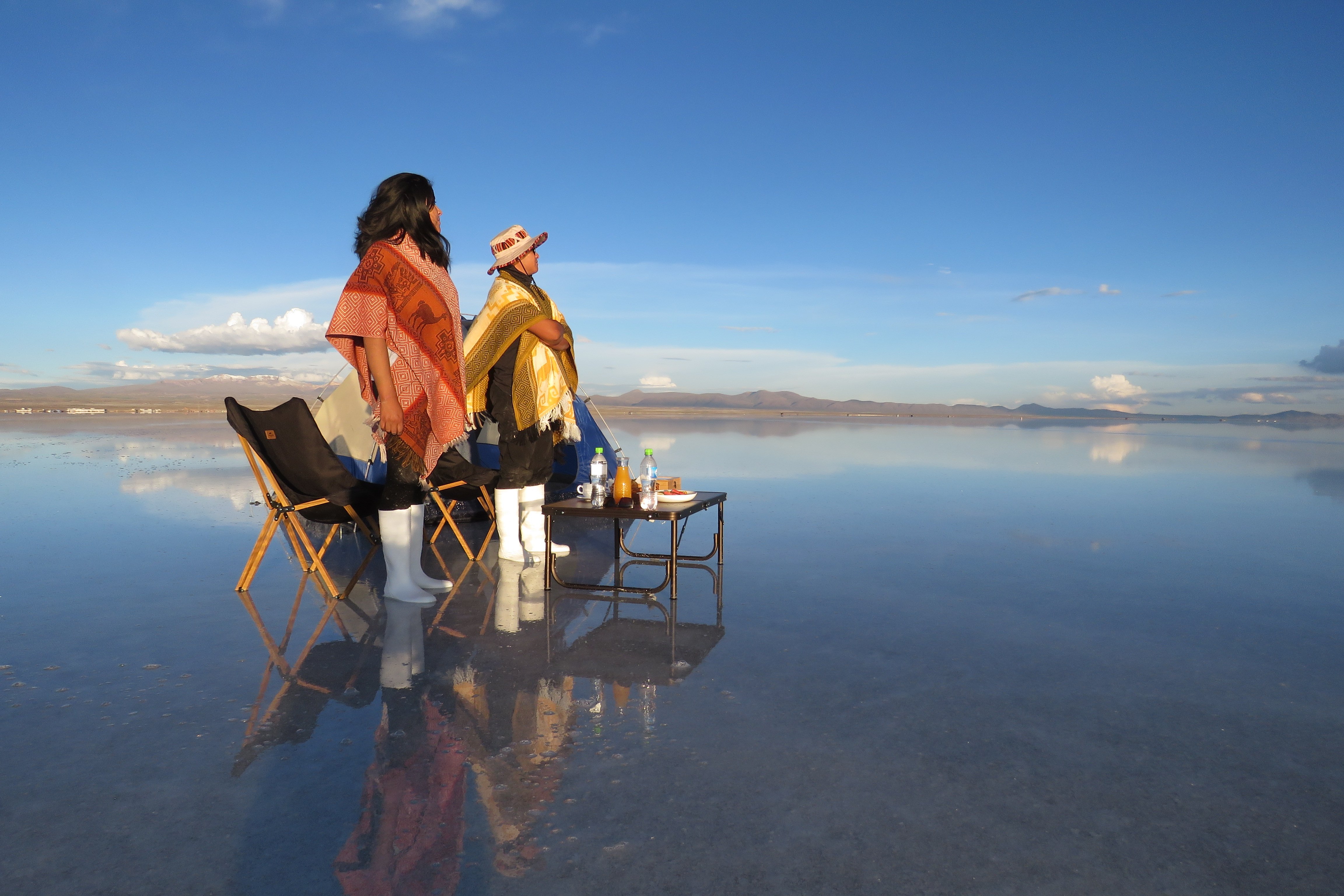
Wear warm, layered clothing as temperatures fluctuate significantly from day to night. Sturdy, comfortable footwear is essential for walking on the salt crust and hiking up Incahuasi Island.
Use a small daypack for your essentials during the uyuni salt flats private tour, as larger luggage is typically stored on the vehicle's roof rack. Keep valuables and electronics in your carry-on.
The Salar de Uyuni provides unique opportunities for perspective-play photography and mirror-effect captures. Bring extra batteries, as cold temperatures can drain them quickly.
The uyuni salt flats private tour is suitable for most families, though consider the high altitude and extreme temperature changes when planning for children. Consult with your guide regarding specific pace adjustments.
The salt flats are generally not wheelchair accessible due to the uneven, natural terrain. Please verify specific capabilities with your uyuni salt flats private tour provider beforehand.
Most private tours include lunch, but carrying sufficient water (at least 2L per person) and extra snacks is highly recommended. Stay hydrated to help mitigate altitude-related fatigue.
Operating Hours
00:00–23:59
Address
Salar de Uyuni, Daniel Campos Province, Potosí, Bolivia
Entry Fee
30 BOB per person for Incahuasi Island
Best Arrival
06:00–18:00 for optimal light
Storage
Consult your operator for vehicle storage
Navigation
Follow guided 4WD tracks only
Car · Varies by route · Included in tour price
Private 4WD vehicles are the primary mode of transit for any uyuni salt flats private tour
Bus · 8–10 hours · Varies
Regional bus services connect to Uyuni town from La Paz and other major cities
You can cancel up to 24 hours in advance of the experience for a full refund. Entrance fees to protected sites like Incahuasi Island (30 BOB) are typically handled as part of your tour package.
Recommended time
1-4 days
A custom uyuni salt flats private tour typically spans from a single full day to four-day expeditions, allowing for flexibility in visiting the train cemetery and Incahuasi Island. Opting for a private salt flats excursion ensures you can navigate the expansive landscape at your own pace, avoiding the congestion often found at key photography points during the midday peak. While full-day trips are common for those with limited time, multi-day itineraries offer a deeper experience of the surrounding altiplanic lagoons and geysers.
Crowd levels through the day
Weather · crowds · average price — dots go green to amber to red as each metric rises.
Wet season creates the famous mirror reflection effect.
Shoulder season with pleasant weather and less rainfall.
Peak dry season with cold temperatures and clear skies.
Dry season ideal for accessing the entire salt desert area.
Spend at least one day in Uyuni or higher altitude areas before starting your tour to reduce altitude sickness risk.
Rain patterns are unpredictable; check local forecasts if you are aiming specifically for the mirror effect.
Salt dust is highly abrasive and corrosive; keep your camera gear and electronics protected when not in use.
Carry sufficient small-denomination BOB notes for entrance fees and public restrooms, as card payments are rare.
The air is extremely dry, so drink more water than you think you need to avoid headaches and dehydration.
The vast white expanse that defines a uyuni salt flats private tour began forming roughly forty thousand years ago, when Lago Minchin covered much of southwest Bolivia. As climatic shifts reduced rainfall and increased evaporation, the prehistoric lake shrank and fractured into smaller bodies—Lago Tauca and Lago Coipasa—leaving behind dense brine and mineral deposits. By ten thousand years ago, the final desiccation sealed a crust of salt averaging ten meters thick across 10,582 square kilometers, creating the world's largest salt flat. Beneath that crust lies a reservoir of lithium-rich brine that now holds more than half the planet's known lithium reserves. Indigenous Aymara and Quechua communities harvested salt from the Salar for centuries, trading blocks along highland routes that predated the Inca road network. Spanish colonial expeditions in the sixteenth century cataloged the deposit but found transporting bulk salt across the Altiplano economically unviable. In 1888, the Antofagasta–Bolivia railway reached Uyuni town, forty kilometers north of the flats, transforming the region into a logistics node for mining ventures. Industrial salt extraction began modestly in the 1920s, supplying iodized table salt to Bolivian markets. A small hotel constructed entirely from salt blocks opened on the Salar's edge in 1995, signaling the shift toward uyuni salt flats private tour tourism as a primary revenue stream. Lithium prospecting intensified after 2008, when global battery demand surged. The Bolivian government established a state-owned extraction pilot on the southern margin, but environmental concerns and technical challenges have delayed large-scale production. Today, travelers booking uyuni salt flats private tour tickets encounter a landscape shaped by ancient geology, indigenous stewardship, and competing visions for its mineral future. The Incahuasi Island conservation fee, introduced in 2015, funds trail maintenance and waste management across the fragile ecosystem.
Lago Minchin forms across the Altiplano, covering the region that will become Salar de Uyuni.
Final evaporation leaves a ten-meter salt crust and lithium-rich brine beneath the surface.
Spanish colonial expeditions document the salt flat but find extraction logistically impractical.
Antofagasta–Bolivia railway reaches Uyuni town, establishing a transport corridor for highland minerals.
Industrial salt harvesting begins, supplying iodized table salt to domestic Bolivian markets.
First salt-brick hotel opens on the Salar's edge, marking the rise of tourism infrastructure.
Lithium prospecting accelerates as global battery demand drives interest in the brine reserves below the crust.
Incahuasi Island conservation fee introduced to fund ecosystem management and trail upkeep.
Climb to the summit of this giant cactus-covered outcrop for panoramic views of the hexagonal salt crust patterns below. Secure your uyuni salt flats private tour to reach this central landmark early.
Locate a remote, shallow pool of water away from vehicle tracks to capture the perfect horizon reflection. A professional Salar de Uyuni excursion tour often guides you to these undisturbed zones.
Find the conical piles of processed salt near the town entrance, providing a textured foreground against the vast white backdrop. This area is included in many uyuni salt flats private tour tours for cultural context.
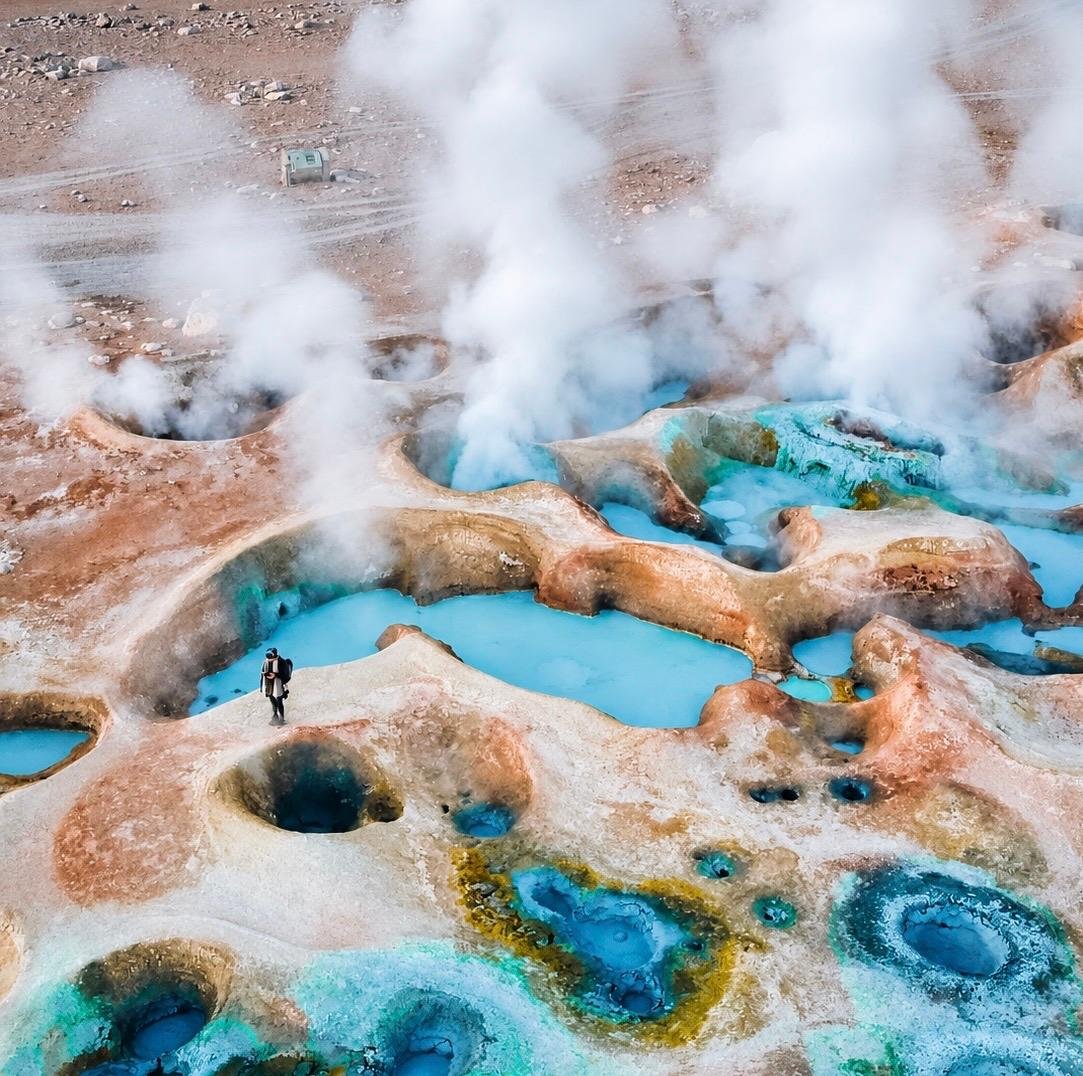
Observe the bubbling gas vents where subterranean water meets the salt surface, creating dark, circular features that contrast sharply with the blinding white surroundings. Visitors requiring uyuni salt flats private tour tickets to the broader reserve will find these natural geological formations unique.
Exploring the Salar de Uyuni with children requires careful planning, but a uyuni salt flats private tour allows families to navigate this vast landscape at their own pace. Preparing for high-altitude conditions and remote terrain ensures a comfortable journey through the world's largest salt desert.
Standard strollers are ineffective on the rough, uneven salt crust, so parents should rely on structured carriers for infants and toddlers. A private excursion allows for extra stops when little ones need a break from the vehicle.
School-aged children often manage the high altitude better, while infants require specific consultation with a pediatrician regarding oxygen levels. Families booking uyuni salt flats private tour tours should prioritize vehicles equipped with functional seat belts.
Public restrooms are extremely limited in the salt flats, so carry adequate supplies and utilize facilities in nearby towns before departure. You must pay an entrance fee of 30 BOB per person for Incahuasi Island where basic toilets are available.
The best arrival window is 06:00–18:00 to minimize exposure to freezing nighttime temperatures and allow for daylight exploration. Choosing a uyuni salt flats private tour tour helps manage expectations for younger travelers by keeping transit times flexible.
Pack plenty of hydration and high-energy snacks, as the remote location lacks vendors during long stretches of the drive. Ensuring you have secured your uyuni salt flats private tour tickets through a reputable provider often includes pre-arranged meals suitable for family needs.
Dining options directly on the salt flats are non-existent, so most travelers on a uyuni salt flats private tour rely on pre-arranged picnic lunches or town-based dining. While formal establishments are scarce in the vast salt desert, you can find quality food in the nearby town of Uyuni or luxury hotel dining at the edge of the flats.
Located at the shores of the Salar, this venue offers an upscale gastronomic experience with high-altitude wines and signature Bolivian fusion dishes. It is an excellent choice for a refined meal before or after your uyuni salt flats private tour tour.;Minuteman Pizza
Everything you need to know for your journey
The Salar de Uyuni is accessible 24 hours a day, though the optimal arrival window is 06:00–18:00 for light and temperature safety.
The terrain is rugged and largely unpaved, making the uyuni salt flats private tour difficult for those with limited mobility.
The wet season (December–March) is best for the mirror effect, while the dry season (April–November) offers clear salt patterns.
Yes, bringing your own water and snacks is encouraged during any private tour of the Salar de Uyuni.
Yes, space in 4WD vehicles is limited; keep your main luggage stored and use a small daypack for your uyuni salt flats private tour.
You can receive a full refund if you cancel your uyuni salt flats private tour at least 24 hours before the scheduled start.
Dress in layers, as the high-altitude sun is intense but temperatures drop significantly at night on the flats.
Yes, the 30 BOB conservation fee grants access to the Incahuasi Island trail inside the Salar de Uyuni.
Most travelers arrive by bus in Uyuni town, where local operators meet guests for their uyuni salt flats private tour.
Field of rusting 19th-century steam engines abandoned after the mining boom.
Local artisan village where families create salt sculptures and wool textiles.
Dominant peak on the northern edge of the flats offering geological significance.
Central monument area in Uyuni town featuring local flags and history.
Unique hotel built entirely from salt blocks on the edge of the flats
High-end salt-built resort offering panoramic desert views
Comfortable lodging located in the main town for easy transit access
Join thousands of happy travelers who have discovered this incredible experience
Book Your Experience Now